Attune Therapy
Holistic therapy for all ages
You are the expert of your own experiences. Together, we’ll explore your unique path to healing so you can live, feel, and be the way you choose.
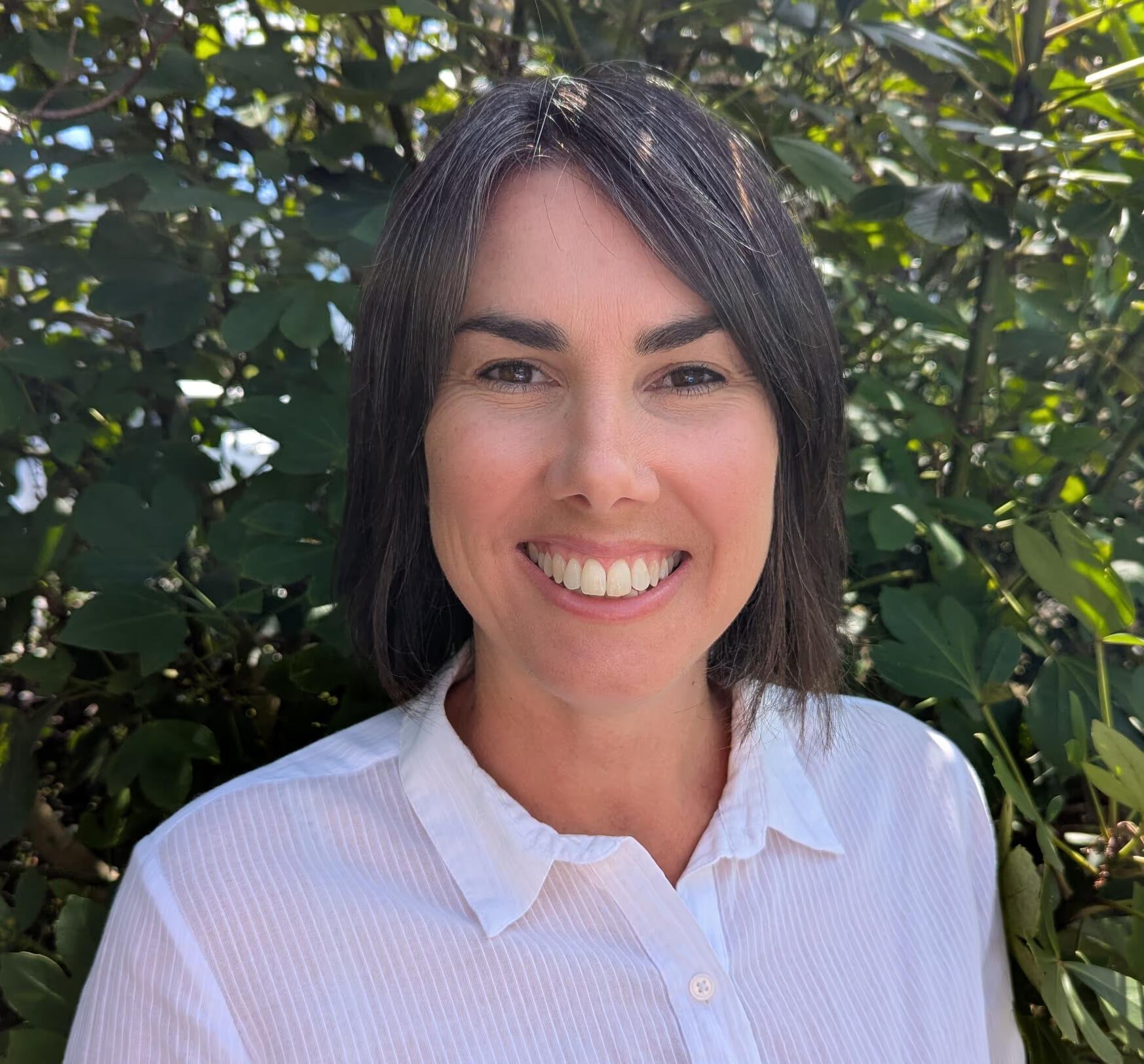
Counsellor and IFS Therapist
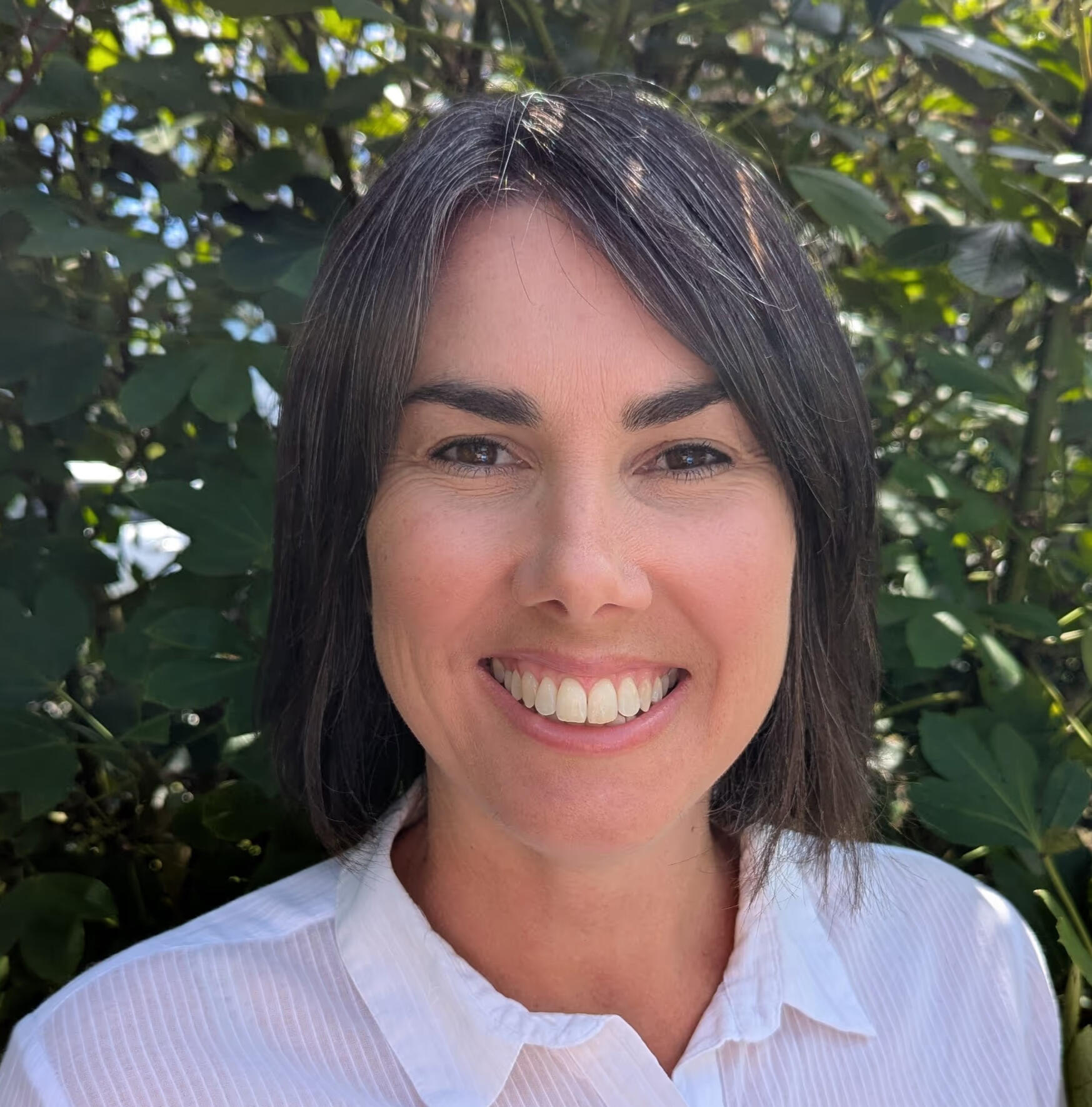
Anna Bern
I’m a counsellor and Internal Family Systems (IFS) therapist based in Glen Innes, Auckland.
With a background in social work, I have a warm, respectful approach and bring decades of experience with trust and connection at the heart of my practice.Get in touch: [email protected]
How I can help
Navigate daily challenges
By understanding your internal responses and reactions, you can better manage life challenges and relationships.
Explore long-term trauma
Process past trauma and release long-lasting wounds to enhance emotional wellbeing.
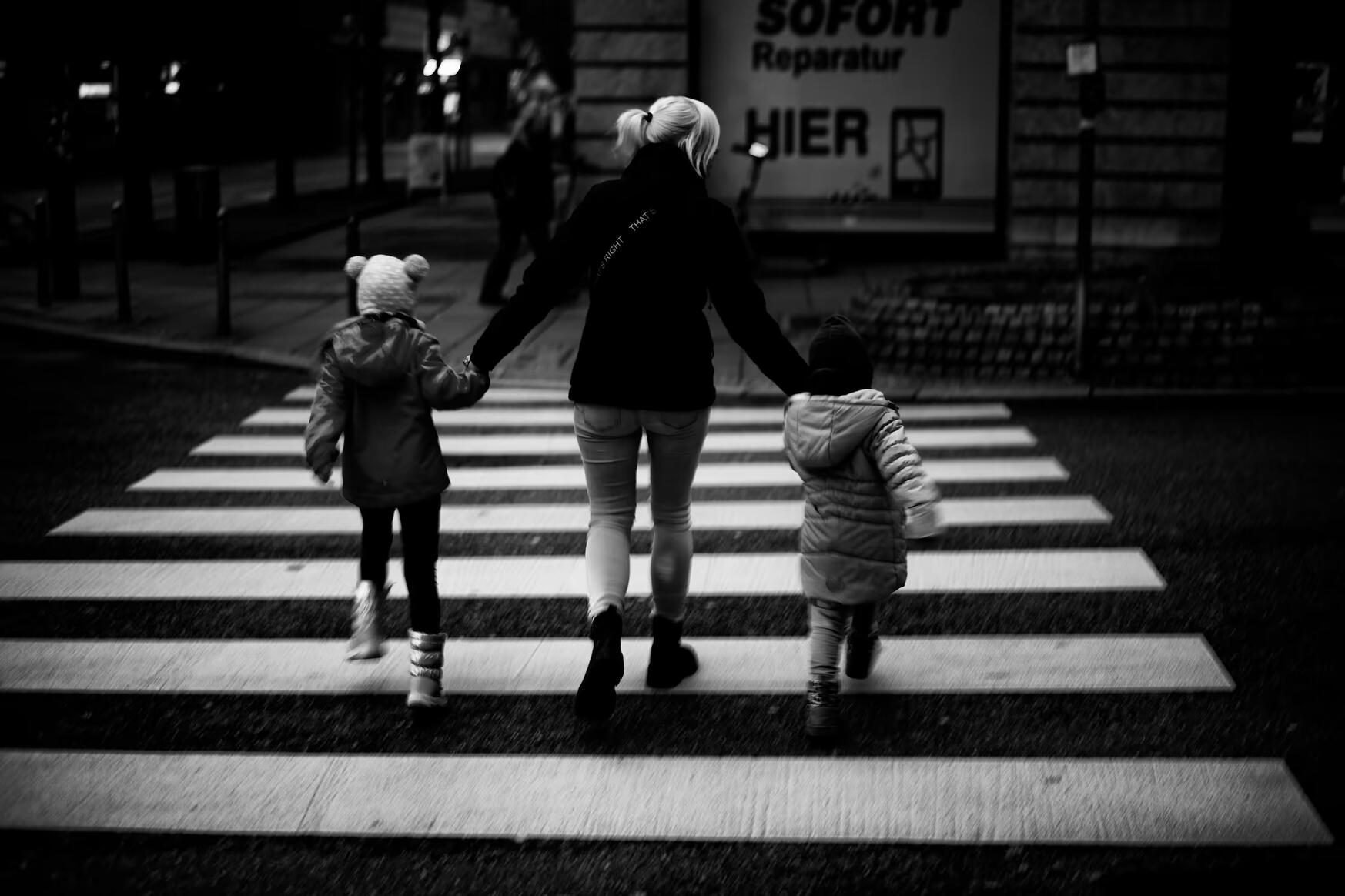
Reflect on parent-child relationships
Understand how your childhood experiences impact how you interact with and respond to your children.

Attune to kids
I have extensive experience working with children. I am informed by an understanding of neuroscience, emotional, social and behavioural development and the impact of experience and environment on young people. I use movement, play, arts & crafts, talk and outdoor activities adapted as necessary for each child. We will work together to explore and improve whatever is getting in the way of your child reaching their full potential, creating positive and lasting change.
Attune to teenagers
The years of adolescence can be amazing times filled with foundational experiences, learning, friendships and relationships. Some find this time can go more smoothly but it is not easy for anyone.

Contact Anna
I work online or in person in Glen Innes, Auckland.
Send me an email to book a session or learn more.
About Anna
My career began in a variety of caring and administrative roles in Aotearoa New Zealand, and overseas, after studying psychology at university. This provided me with a good understanding of people, cultural differences and organisations.Completing a masters degree in social work saw me transition to the health and school sectors. Through these experiences I have gained knowledge of, and compassion for, working with people in regards to ages and stages, development, life transitions, extreme emotions, challenging behaviours and abuse.I was passionate about my work in the community but following time raising my own family I now work in private practice where I draw on my prior work and enhanced it with IFS.The common theme throughout my working life is a passion for building trusting, caring therapeutic relationships. I approach therapy from the perspective that you are the expert of you and your experiences. I will respect you, really listen to you and work as a guide to change and healing. I have always taken a holistic approach to people, and consider it vital to be inclusive of mind, body, spirit, family and place.IFS is special in that it allows for these various aspects of a person to be explored, strengthened and healed when needed.Additionally, my view of individuals is underpinned by consideration for systems, societal structures, power, and inequity. Reflective practice is a cornerstone of social work and this inner awareness has contributed to my IFS journey. I attend IFS therapy to further get to know my internal system and undergo personal healing.My practice is informed by my interest in neuroscience, polyvagal theory and nervous system physiology. This science explains what may be happening biologically but in practice this translates to the importance I give to creating a safe and non-judgmental space for you to be comfortable and share at your own pace.Training and professional affiliations:Internal Family Systems - Level 1
Internal Family Systems Skills Immersion (Stephanie Mitchell, Connection Heals)
Trauma Through a Child's Eyes (Maggie Kline, Conscious Connections)
Master of Social Work (Applied)
Bachelor of Arts (Psychology)
Fully Registered Social Worker (New Zealand) with current practicing certificate (SWRB)
Full Member of Aotearoa New Zealand Social Work Association (ANZASW)

Attune to kids
Much of my work life has included children. A defining experience was working for an NGO that ran a residential summer camp and year round programmes for children who had emotional, social and behavioural challenges. I got to know these kids well, living with them for weeks and providing day to day care. Seeing their inherent joy, creativity and skill was precious learning; every child, regardless of perceived difficulties, possesses a multitude of facets and capabilities.Further experience came from my role as a social worker in schools where a significant part of my time was spent in a therapeutic and counselling relationship with children (and their families) as well as running early intervention and prevention group programmes.My ongoing pursuit of understanding and connecting with children has shaped my university and professional development choices. And of course having my own kids provided unforeseen learning and practical application of my experience.Parenting can be demanding, especially when a child is distressed and/or challenging. This can strain family relationships and create stress. Although children have a wonderful capacity for change and growth sometimes professional support is needed to facilitate this.I am skilled in building rapport with children and families and collaborating to identify areas of concern, and approaches for change. Working at the pace of the child is important to me, as is listening carefully, respecting and believing them. I strive to create a space where they feel safe, can be themselves and where all of their emotions, beliefs and behaviours are welcome.Early intervention is ideal so take action now for the well-being of both you and your child.My police vetting is up to date and I hold a current annual practicing certificate with the Social Work Registration Board (#5460).I work out of my home office / play room but can also visit your home, school or work.Send me an email ([email protected]) to further discuss your child's needs.

Attune to teens
The years of adolescence can be amazing times filled with foundational experiences, learning, friendships and relationships. Some find this time can go more smoothly but it is not easy for anyone.We all know there is so much going on in changing bodies, developing brains and a shift from total reliance on family to exploring who you are, who you want to be and how to belong in the world.Managing so many different pressures may be daunting and difficult. Some young people find all of this harder and have bigger and more challenging concerns.My job is to work with young people on the everyday stuff as well as the big stuff.I will work with you to get to know what is most important to you, what you want to change or improve or understand about yourself better.If bad things have happened to you I can work with you so you do not have to carry the impacts any longer.It is ok to have strong emotions, behaviours, reactions - we can work with these not against them.If you feel better on the inside, the outside world can be a bit easier.Doing this work now can change the rest of your life…Send me an email ([email protected]) to further discuss your teen’s needs.
FAQ
What age groups do I work with?
I am experienced in working with children, adolescents and adults. My early career was with teens as a youth worker near Boston in the USA. My roles in Aotearoa have been more focussed on children, parents and adults, at times including grandparents. However my training and history collectively allows me to modify my counselling and therapy to suit the person, irrespective of age. Feel free to contact me to discuss the needs of different ages and stages.See more in: Attune to Teenagers and Attune to Kids
Do I have to talk heaps about my feelings and / or tell you everything that happened to me?
In IFS we can work in a way that you can still do therapy and create change and healing without you telling me everything that happened to you. You can tell me what feels comfortable for you and we will work at your pace
What is Internal Family Systems (IFS)?
IFS is an evidence based psychotherapy based on the idea that the human mind is naturally multiple; we are all made up of a system of parts who have different roles, like in a family or an eco-system.In everyone’s internal system there are protective parts, reactive parts, parts that carry pain & harm, and parts that are resources for us. Parts might show up as beliefs, emotions, sensations, behaviours and automatic reactions.At our core we are led by Self. Self is in everyone, it can not be damaged and it knows how to heal. In IFS we work to respect and understand parts, the relationships between them and to become more Self-led. We are born with parts and all parts are valuable and skilled. However, throughout our lives as we have negative experiences ‘burdens’ are created and our parts shift into extreme roles that can present as damaging, difficult and negative but served a function at the time of trauma or attachment injury. These parts are stuck in that time and carry that harm, hurt & pain; they continue to do their ‘job’ to try and help us. IFS therapy is designed to heal via the process of connecting more with Self as well as by releasing the burden and the part can return to it’s natural or desired state. In IFS we do not view clients as having a disease or deficit but believe that everyone possesses all the strengths and resources they need. By working to heal parts we release the constraints on our strengths and resources so we can access them, to improve how we feel and function internally but also how we relate to those around us. An IFS therapist guides you in this process and brings themSelves to support you.
Schwartz, R.C. & Sweezy, M. (2021). Internal Family Systems Therapy (2nd ed.). New York NY: Guilford Press
What is the science behind IFS and how does IFS create lasting change?
Trauma and the body:
https://www.besselvanderkolk.com/resources/the-body-keeps-the-score
Peer reviewed IFS articles: https://ifs-institute.com/resources/research
Memory reconsolidation: https://www.youtube.com/watch?v=PWfpLtgxDi4
https://magazine.theaca.net.au/articles/internal-family-systems-therapy
Schemas: https://www.youtube.com/watch?v=hlDUfBT5G-A
https://www.youtube.com/watch?v=d629qUO-qkQ
What does Attune mean?
“Attunement is a two-part process: It involves both being fully aware of another person’s sensations, needs, or feelings and communicating that awareness to the other… [It] is a kinesthetic and emotional sensing of the other—knowing the other’s experience by metaphorically being in his or her skin. Effective attunement also requires that the therapist simultaneously remain aware of the boundary between client and therapist.”
- Erskine, Richard G. Inquiry, Attunement, and Involvement in the Psychotherapy of Dissociation . Transactional Analysis Journal, Volume 23, Number 4, October 1993, pp. 184-190.
https://www.integrativetherapy.com/en/articles.php?id=28 “Empathy and attunement underpins therapy. When we empathically attune to another we gently tune into, sense, and resonate with their experience. The process is similar to the way an attuned parent, noticing a child’s distress, will take steps to offer comfort. It’s about giving appropriate responses, not just crying because the client is crying…Effective therapy depends on attunement, with empathy as the foundation. To empathically attune at a deep (perhaps embodied) level, we are called on to let ourselves go into the process; to release our own Being in order to Be-with in the moment… It’s about letting embodied feelings, thoughts, impressions and intuitions appear – letting go of knowing certainty to see what emerges.”
- Finlay, L. (2016). Relational Integrative Psychotherapy: Processes and Theory in Practice, Chichester, E.Sussex: Wiley (Chapter 4)
http://relational-integrative-psychotherapy.uk/chapters/empathising-and-attuning/
Do you use therapies and counselling styles other than IFS?
I am informed by and use tools from a range of models, theories and perspectives, including but not limited to:-Child development
Neuroscience
Te Tiriti O Waitangi / bicultural practice
Strengths-based and solutions focussed
Play
Nature / Outdoors
Trauma informed (what happened to you + brain/body interrelationship)
Te Whare Tapa Whā
Mindfulness
Ecological & systems
Poly-vagal
Bio-psycho-social
Attachment
Behaviour and learning
Equity and social justice
Text